Museum of Fine Arts of Tours
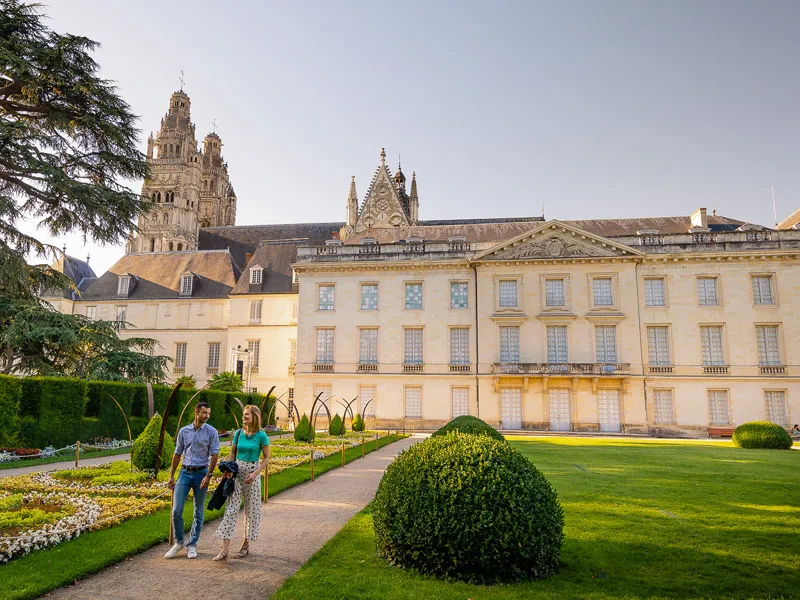
Right in the heart of the city, the Museum of Fine Arts of Tours is one of the most important in France! Created in 1801 in the former Palace of the Archbishops, it houses an impressive collection that allows visitors to travel through the centuries in the company of the greatest artists in history; some of its masterpieces are signed by Rubens, Rembrandt, Champaigne, Nattier, Boucher or even Hubert Robert.
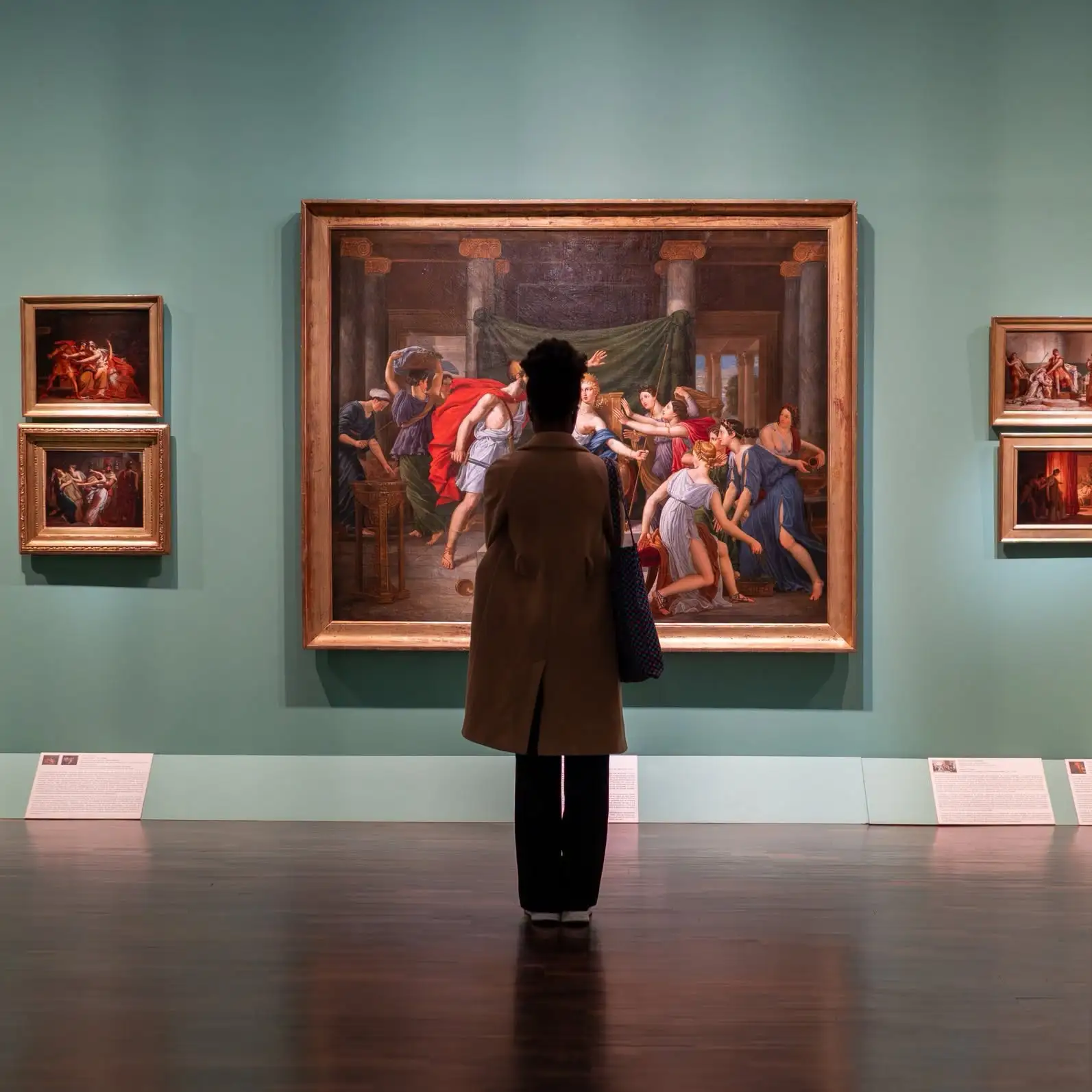
From October 17, 2026 to April 5, 2027, don't miss the exhibition "Painting history in the 19th century. The past in the present." For the occasion, the museum team is bringing out about thirty unseen canvases from its reserves, unveiled to the public in a scenography designed to recreate the atmosphere of a 19th-century Salon, an era when History became a national passion and made its way into a then-flourishing artistic creation.
Orleans Museum of Fine Arts
Other Museum of Fine Arts, the one in Orléans It houses one of the largest collections in Europe! A specially designed route will guide you through its greatest masterpieces, allowing you to grasp its scope. Admire, in particular, Saint Thomas, one of the only paintings by the Spanish painter Velasquez preserved in France.
For its second exhibition of monumental sculptures, the museum is currently hosting the Belgian artist Johan Creten which brings together 120 works (11 of which are displayed in public spaces). A versatile artist, Creten works with both ceramics and bronze. In Orléans, he is presenting his entire creative process to the public until December 31, 2026.
Hotel Cabu
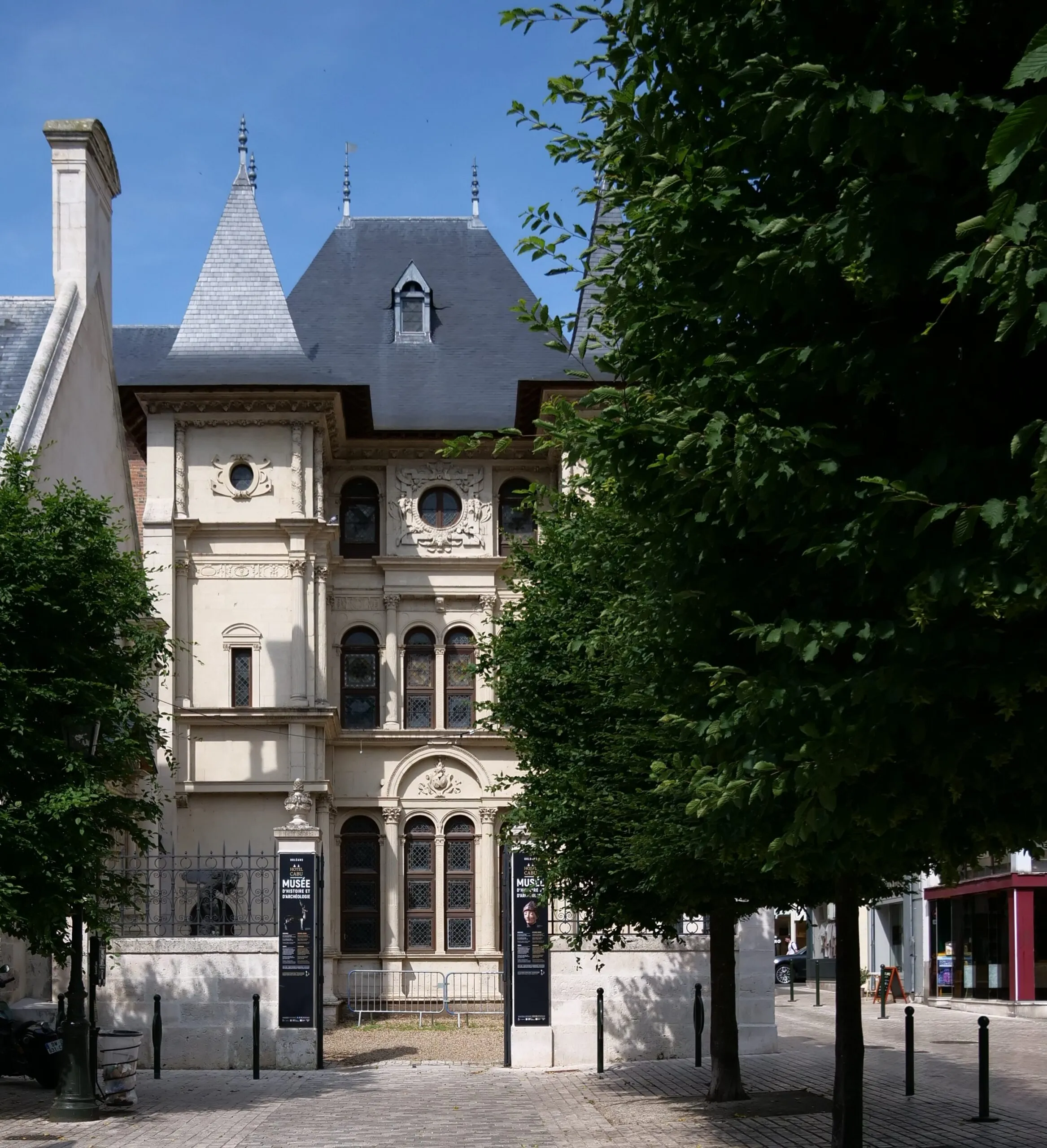
Located in one of the most beautiful Renaissance hotels in the city of Orléans, the Cabu Hotel It is now a museum of history and archaeology, a unique link where art and history blend perfectly.
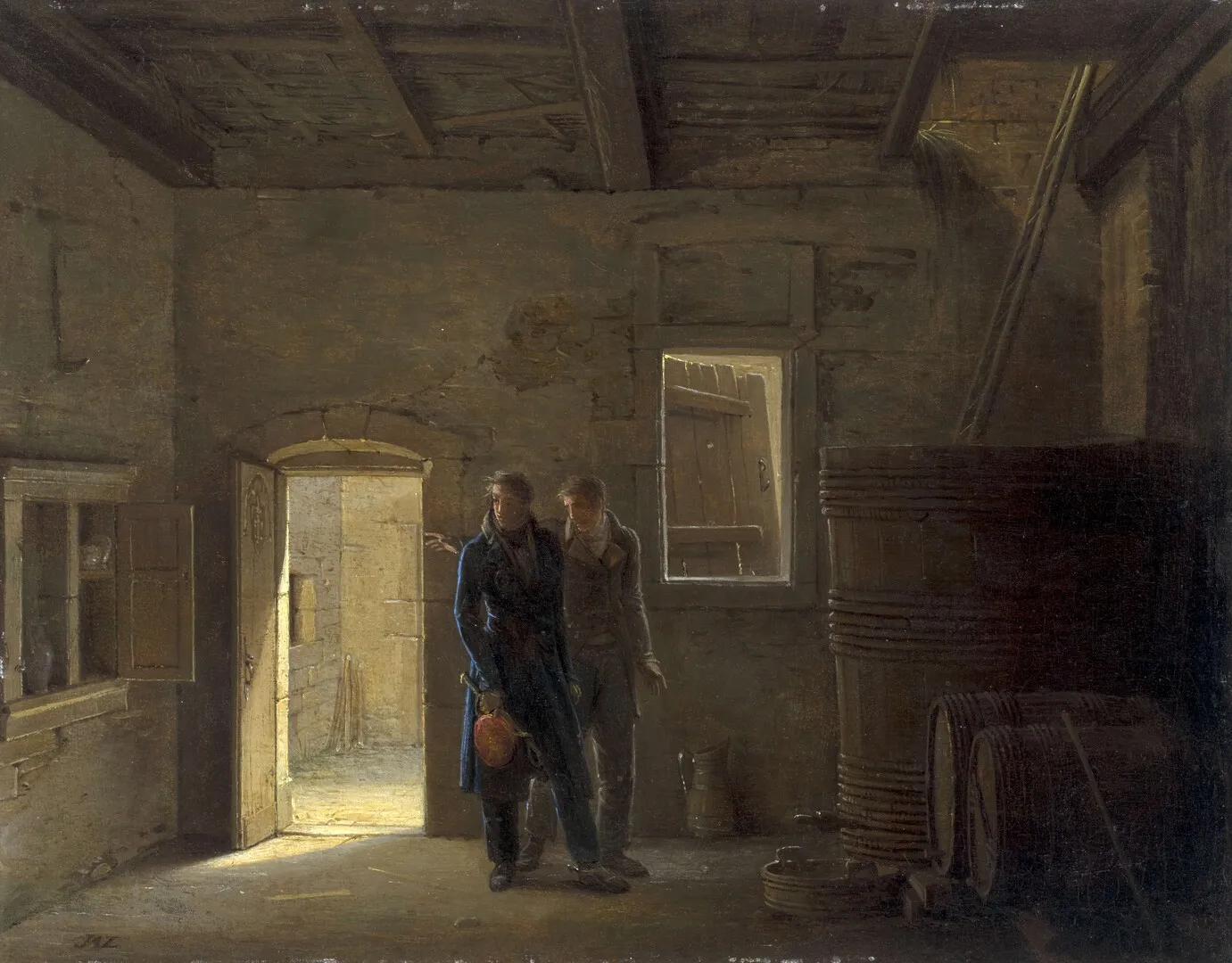
Until November 22, 2026, the museum is presenting a unique painting: one created by the troubadour painter Jean-Antoine Laurent to commemorate the rediscovery of Joan of Arc's birthplace by the archaeologist Prosper Jollois and the draftsman Charles Pensée in 1819. A few years later, Jollois became chief engineer in the Loiret department, and Pensée followed him to Orléans, where their presence transformed the city into the main center for research on the woman known as "the Maid of Orléans." The exhibition currently on display at the Hôtel Cabu pays tribute to their work.